
Precision parts fabrication increases product quality and performance by using CNC technology to gain highly tight tolerances, making sure ideal element fit, increased operational trustworthiness, and excellent durability. It decreases defects and material industries like aerospace and medical.
The modern manufacturing sector has some very small differences that separate a product that lasts for years from one that fails after just a few weeks. With an increasing demand for high-performance equipment, medical devices, and aerospace technologies by 2026, industries need to utilize precision parts fabrication.
Table of Contents
What is precision manufacturing? How does it affect consumers? Here is more information on how precision manufacturing works and how using a top-tier precision machined components manufacturer can produce world-class products.



What is Precision Parts Fabrication?
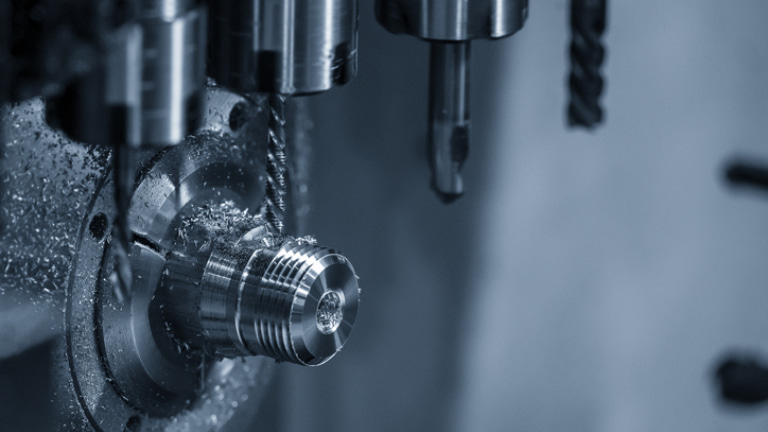
Basically, Precision Parts Fabrication creates accurate, small, and complex components that come together to become a larger machine using the highest degree of accuracy possible. Standard manufacturing processes can have a potential for error, but precision fabrication operates under “tight tolerances”.
Example – With a Precision Metal Part Fabrication process, a component would be created to +/- 0.010 mm, which is narrower than a human hair! When a component is manufactured within the range stated above, it will fit perfectly with all other components, which in turn will reduce friction, heat, and wear.
5 Ways Precision Components Enhance Quality
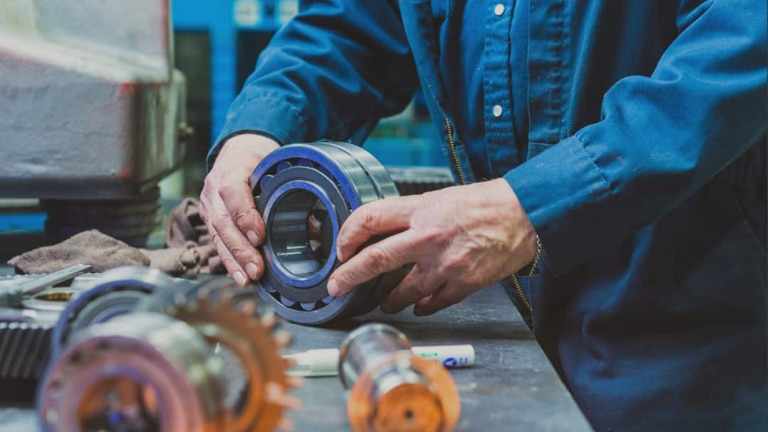
1. Exceptional Accuracy and “Perfect Fit”
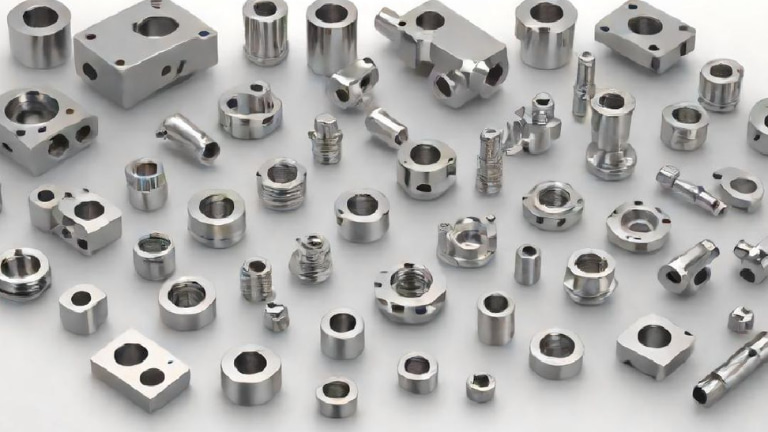
Every component needs to fit together perfectly when you’re making a complex engine or a surgical instrument. Precision machined components eliminate any play between parts.
- Advantage – Eliminate vibration-related machine failure with perfectly fitting components.
- Result – A well-functioning machine that meets specifications and operates as intended.
2. Consistency Across Thousands of Parts
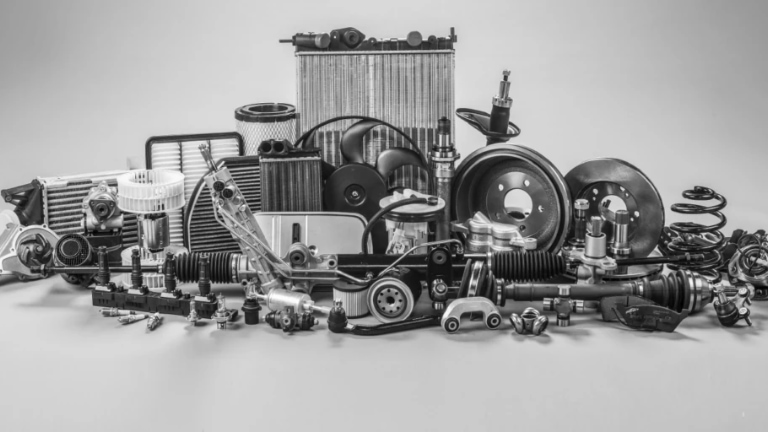
Manufacturers must achieve identicalness between the initial and final pieces of their work. Precision components manufacturers use advanced CNC Machines (computer numerical control) to guarantee the repeatability of precision parts.
- Advantages – Improving quality by removing human error from the process allows consistent high levels of quality throughout every piece manufactured.
- Result – All industries rely on this level of reliability for their projects, and a defective bolt in the automotive business could cause a catastrophic recall.
3. Improved Durability and Longevity
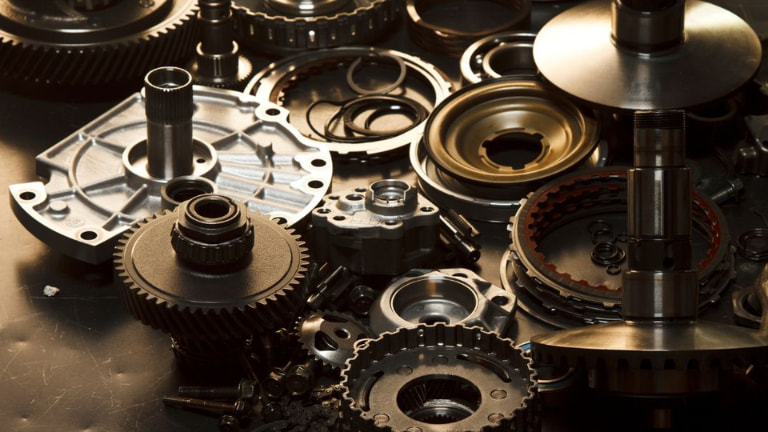
Precision metal parts fabrication with high-quality materials such as Titanium, Stainless Steel, or special alloys requires very tight tolerances for the machining process to ensure the internal structure of these metals is not affected by heat or mechanical damage during cutting.
- Advantage – Parts can withstand very high levels of stress, pressure, and temperature extremes without failure.
- Result – The products can be used for longer periods. Customers will save money through fewer repairs and less frequent replacements.
4. Reduced Material Waste (Sustainability)
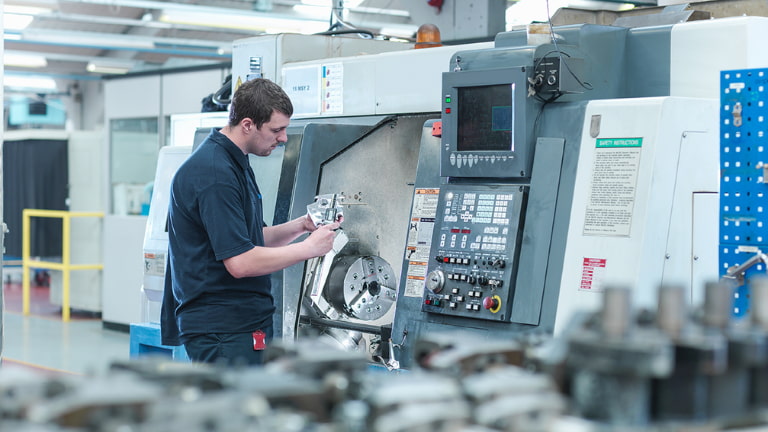
The year 2026 will find that just as “green” is as important to being “fast.” Additionally, precision machining has historically been a “subtracting” type of manufacturing, though many current software packages now allow a precision machined components manufacturer to determine the most efficient way to cut a part.
- Benefits – Less raw material gets wasted as scrap metal.
- Result – Lower production costs and a smaller footprint on the environment.
5. Enhanced Safety for Critical Industries
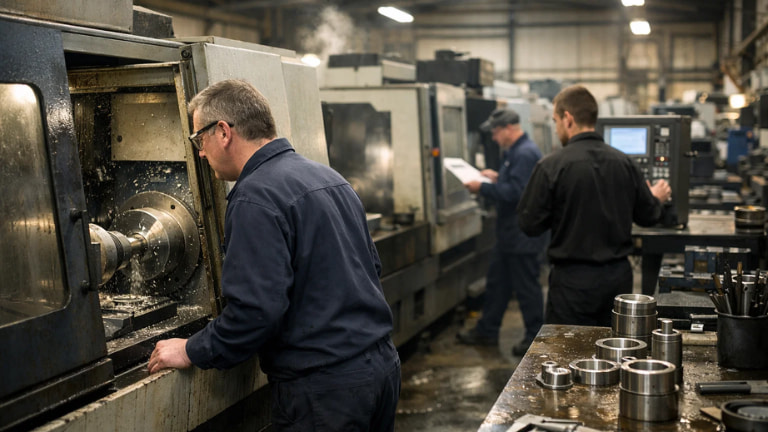
There is no margin of error in industries such as Aerospace and Healthcare; therefore, a small mistake when manufacturing a medical device or an aircraft wing can result in loss of life.
- Advantage – Stringent quality control and high-precision manufacturing processes will guarantee that parts are manufactured to meet the world’s safety standards (for example ISO 9001:2015).
- Result – Both the Manufacturer & Consumer feel comfortable that they have been provided with a safe product.
Spotlight – Global Precision Pvt Ltd
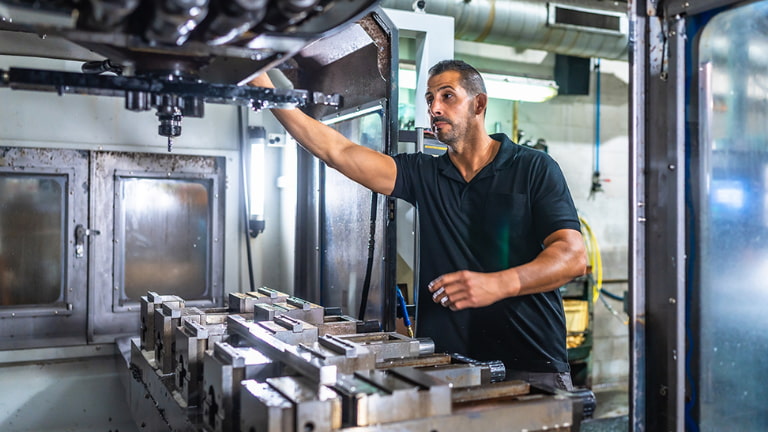
As the world’s leading precision machined components manufacturer, Global Precision Pvt Ltd (GPPL) has developed a reputation as an expert in those challenging tasks that other companies may not have considered viable options.
1. High-Tech Infrastructure – GPPL operates out of a state-of-the-art facility with the latest equipment and tools, including 4-axis CNC turning & vertical machining centres.
2. Diverse Material Expertise – This highly technical machinery is capable of manipulating a large variety of materials, including typical brass & copper, and high-performance titanium & delrin.
3. Expert Leadership – GPPL was founded by an ex-Indian Air Force fighter pilot, and much of the strength of this company can be attributed to the strong leadership from the company’s owner; he leads with a “mission-first” mentality, by instilling principles of discipline and precision.
4. One-Stop Solution – GPPL provides a comprehensive, turnkey service for customers, supporting every phase of the product life cycle from the initial prototype through full-scale mass production.
Future-Proofing with Industry 4.0 – AI and Digital Twins
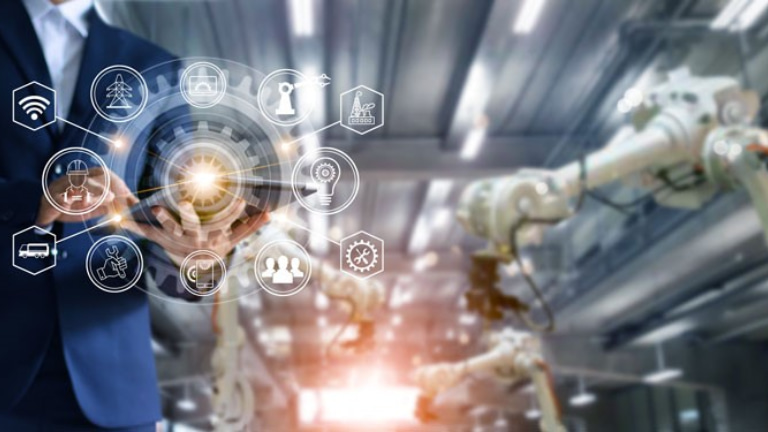
Currently, 2026 is demonstrating a large digital transformation in Precision Parts Fabrication (PPF) industries worldwide. The “Smart Manufacturing” that the leading precision component manufacturers are utilizing provides a way to manufacture the part with a zero-defective finished product instead of just making metal.
1. Digital Twin Technology
One key advancement that is very exciting in manufacturing today is Digital Twin Technology. A Virtual 3D model of the part and all the processes of machining the material is created by the Precision Machined Components Manufacturer prior to actually placing the first piece of raw material in the machine.
- What This Means – An engineer can simulate the cutting process in a virtual world and catch possible errors and tool collisions before actually producing the part.
- The Result – “First Time Right” production reduces waste and increases the customer delivery time.
2. AI-Driven Predictive Maintenance
In 2026, machinery will evolve into “self-aware” devices due to Internet of Things (IoT) capabilities. In addition to using CNC machining equipment with IoT capabilities, offline diagnostics are available, such as inspecting vibrations, temperature, and spindle speed every second with sensors incorporated into the toolholder.
- Predictive Tool Wear – With machine learning algorithms, wear on cutting tools will be predicted through the use of pressure exerted on tools while machining parts, enabling users to know when a drill bit or end mill is nearing its duty cycle.
- Maximized Uptime – Preventive maintenance will be performed only when machinery needs it, resulting in no unplanned downtime for production lines in facilities such as Global Precision Pvt Ltd.
3. Smart Quality Control
Traditional methods of quality inspection take place when a component has been produced. Modern research into the manufacturing of different types of machined components, such as those made from precision metal parts, now uses In-Process Inspections (IPIs).
Laser scanners and high-speed cameras are both used to determine whether or not the Precision Machined Components are within spec (specifications) at the time of each machining operation. If the dimensional tolerances of a finished part drift more than a few micrometers from specification, then the machine will automatically self-correct to maintain tolerances throughout all of the manufacturing processes.
Conclusion
Understanding the worth of Precision Machined Components is crucial, whether you are an engineer working on the design of electric vehicles or a buyer looking for different types of industrial supplies. It’s not only about creating a “part” but also about achieving the highest possible level of safety, performance, and success over time.
By partnering with a Precision Machined Components Manufacturer that has both experience and knowledge, you will be able to keep your business competitive in an ever-evolving global marketplace.