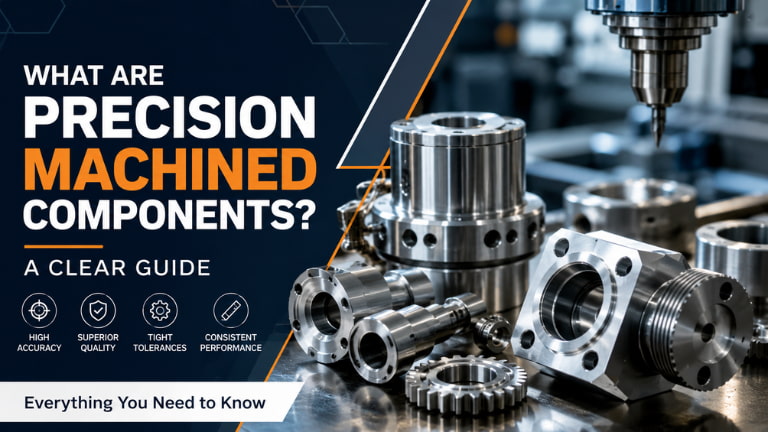

Precision Machined components are custom components manufactured to microscopic tolerances utilizing modern tools like CNC machines. Crafted from raw metals, plastics, or alloys, they are essential for applications demanding smooth alignment, complicated geometries, and trusted repeatability.
When you look at complicated machinery, like a commercial airplane engine, a hospital MRI scanner, or even the smartphone in your hand, it is simple to marvel at how flawlessly they work. But behind these modern systems are thousands of small, individual components working together in ideal harmony. If even one of the components is slightly off-size, the whole machine could stop working.
Table of Contents
The hidden heroes behind this ideal performance are precision machined components. These are ultra-accurate components developed to fit together with zero room for mistakes. Today, sectors globally are seeking specialized hubs like India to source these components.



Understanding Precision Machined Components?
To answer this question, what are precision machined components, we have to find out the work precision. In common workshops, making a metal component with a small measurement mistake of a few millimeters might be ideally fine. However, in modern industries, a deviation that huge would be a complete disaster.
A precision machined component is a custom-designed part cut from a strong block of raw metal and shaped to precise measurements. These components are structured with tight tolerances, a digital term meaning the allowable margin of error is almost zero. In several cases, these parts are precise down to a single micron, which is a number of times thinner than a single strand of human hair.
How are These Precise Components Made?
Making these components demands a subtractive manufacturing procedure, meaning a machine begins with a bigger part of material and shaves away layers until the final structure remains. This depends on advanced automation instead of manual hand tools –
1. Computer-Aided Design (CAD) – Before any metal is cut, engineers utilize modern software to create an extremely detailed 3D digital blueprint of the precision machined component. This technical model maps out every single angle, hole, and seamless surface.
2. CNC and VMC Machining – Once the design is prepared, it is converted into a computer code that operates automated machinery. The most typical machines utilized by precision components manufacturers are CNC lathes and VMC systems. These tools move along several directions simultaneously, cutting away material with ideal precision.
3. Precision Metal Parts Fabrication – In addition to cutting strong blocks, factories utilize precision metal parts fabrication to bend, laser-cut, and assemble thin sheets of metal. This is extremely effective for making protective outer casings, electronic brackets, and internal structural frames.
Why Modern Industries Rely on Precision Components
Top-tier industries can’t afford to utilize affordable, badly made components. Using top-quality precision components delivers primary functional advantages –
1. Flawless Performance – Because the components match the precise design blueprints, they fit into big machines ideally. This removes friction and prevents the machine from breaking down prematurely.
2. Long-Term Cost Savings – While precision components demand a higher initial investment, they are highly durable. They wear down much more slowly than common components, saving corporations thousands of dollars in maintenance, repairs, and replacement costs over time.
3. Unmatched Durability – These elements are usually made from high-strength materials like titanium, stainless steel, aluminum alloys, and specialized engineering plastics, permitting them to withstand extreme heat, heavy pressures, and corrosive atmospheres.
The Rise of Precision Machined Components Manufacturers in India
Over the last decade, international companies have changed their manufacturing focus toward Asia, making precision machined components manufacturers in India a top option for global supply chains.
India has made a robust standing in this sector because of a number of different factors –
1. World-Class Infrastructure – Indian factories are furnished with the current 4 axis and 5-axis CNC machines, permitting them to manage highly complicated designs effortlessly.
2. Skilled Workforce – India produces thousands of extremely skilled mechanical engineers and CNC programmers every year who comprehend global production standards.
3. Strict Quality Control – Leading Indian facilities follow international quality management systems, holding certifications such as ISO 9001:2015 to make sure every batch of components is thoroughly identical.
Market Leader – Global Precision Pvt Ltd
When seeking the top tier of the Indian engineering market, Global Precision Pvt Ltd stands out as a major example of superiority. The company works as a trustworthy partner for public sector undertakings and primary international Original Equipment Manufacturers by delivering profound digital abilities –
1. Complex Geometry Handling – Their group utilizes modern 4th-axis VMC machinery to drill, mill, tap, and turn difficult metals like titanium and specialized alloys into intricate structures.
2. Modern Software Simulation – Their programmers simulate every single tool movement on a computer before beginning production, removing mistakes and material waste.
3. Microscopic Quality Inspection – Global Precision Pvt Ltd utilizes automated 3D Coordinate Measuring Machines to test finished products, examining that every single dimension ideally matches the client’s requirements before packaging.
Key Industries that Require High-Precision Engineering
A number of fast-growing industries just can’t function without the support of specialized precision components manufacturers –
1. Aerospace & Defense – In military and aviation systems, trustworthiness is a matter of protection. Components like radar wave guides, gear housings, and engine valves should withstand extreme mechanical stress and intense temperature shifts without changing structure.
2. Medical Devices & Implants – The healthcare sector needs absolute perfection. From surgical tools to biocompatible titanium bone screws and joint implants, these components should be machined ideally seamlessly to control infection or irritation inside the human body.
3. Electronic & Semiconductors – As electronic gadgets become smaller and quicker, they need microscopic heat sinks, connectors, and specialized enclosures to secure sensitive microchips from overheating.
| Metric/Feature | Traditional Tooling | High-Precision Machining |
| Control System | Manual hand wheels and levers | Automated Computer Programming |
| Margin of Error | Up to 0.5 mm | Down to a single micron |
| Design Flexibility | Limited to basic geometric shapes | Handles highly complicated 3D shapes effortlessly |
| Production Repeatability | Low | Perfect |
Final Words
Whether you are making an electric vehicle, updating a factory production method, or developing a new medical tool, the performance of your item depends on the parts inside it. Working with a typical machine shop can cause loose fits, delayed shipping, and unwanted system failures.
To secure your business investment, it is crucial to partner with a seasoned, certified precision machined components manufacturer. Corporations like Global Precision Pvt Ltd show how merging modern robotic machinery, stringent quality testing, and profound engineering knowledge can transform complicated blueprints into ideal physical solutions. By sourcing your custom components from a reliable leader in India, you can enhance your product’s durability, lower your overall functional expenses, and keep your business moving forward seamlessly.