
Computer Numerical Control metal machining is a subtractive manufacturing procedure where pre-programmed software directs automated machinery to eliminate material from a raw block, carving it into precise, extremely complicated parts. It delivers unmatched accuracy, repeatability, and effectiveness for advanced industrial production.
The manufacturing world has changed quickly over the last few decades. At the heart of this transformation is a technology renowned as CNC machining. Whether it is a small part inside your smartphone, a part in a car engine, or a crucial piece of an airplane, CNC metal machining plays a crucial part in making high-precision objects we utilize regularly.
Table of Contents
What is CNC Metal Machining?
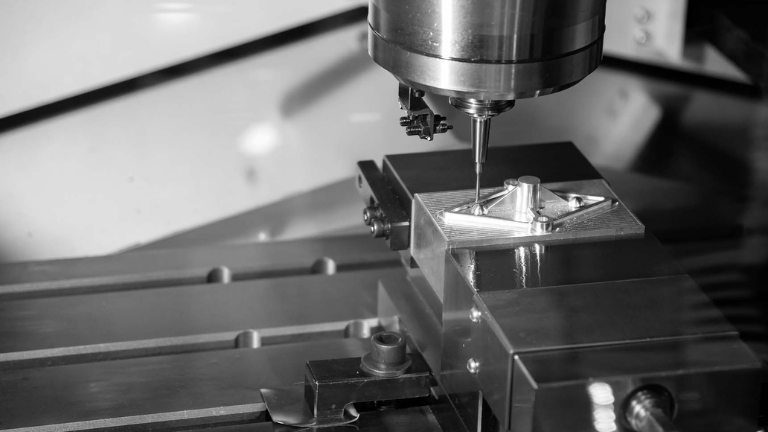
To comprehend CNC metal machining, we first have to break down the acronym. CNC stands for computer numerical control.



In easy terms, it is a manufacturing procedure where pre-programmed computer software dictates the movement of factory tools and machinery. Rather than a human operator manually turning wheels, levers, and buttons, a computer program controls everything with extreme precision.
When applied to metal, this procedure carves out extremely complicated, accurate structures from a raw block of metal. It is a subtractive manufacturing process, meaning it begins with a bigger piece of material and cuts away the excess layer by layer until the final component is formed.
CNC Machines vs. Conventional Machines
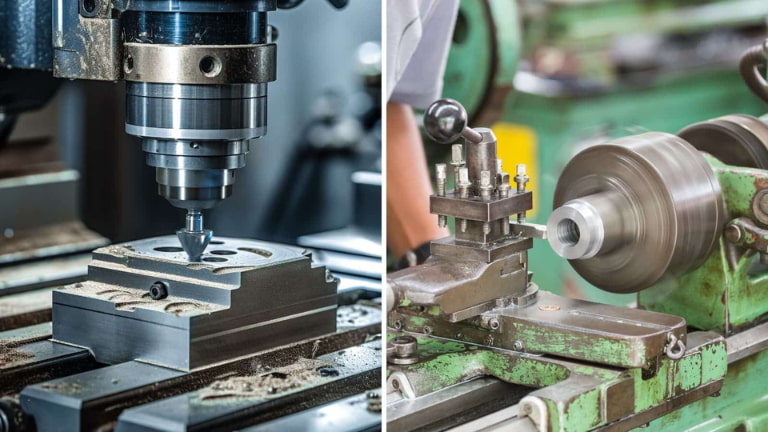
Before computers took over the factory floor, manufacturing depended on conventional machines. These conventional tools, like manual lathes, hand-operated mills, and drill presses, needed extremely proficient machinists to guide the cutting tools by hand.
While manual machining is still effective for easy structures or single prototypes, it has primary limitations when compared to advanced CNC machines –
| Feature | Conventional Machines | CNC Machines |
| Operation | Manual control by a human operator | Automated control through computer code |
| Precision | Dependent on the operator’s skill | Highly accurate, down to micrometers |
| Speed & Effectiveness | Slower, needs pauses for manual adjustments | Quick, constant function |
| Complicated Shapes | Very tough or impossible to make complicated 3D shapes | Effortlessly makes complicated geometries and intricate designs |
| Repeatability | Difficult to replicate thousands of identical parts correctly | Thousands of parts can be made identical to the precise millimeter. |
How the CNC Machining Process Works
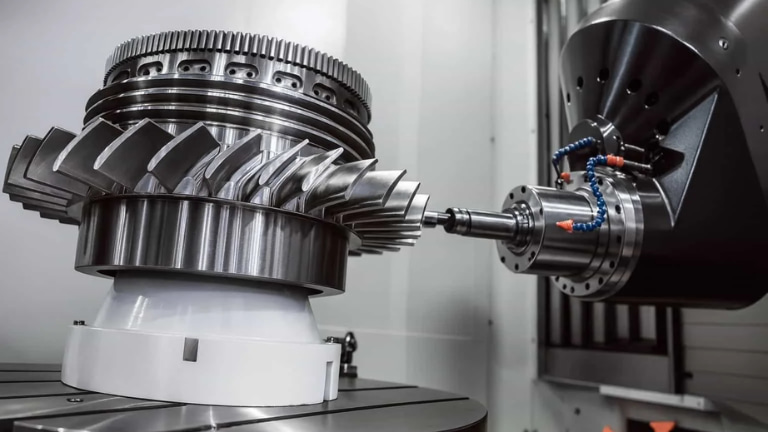
The journey from a raw design to a finished metal component follows a clear, step-by-step procedure.
1. Designing the Part (CAD) – The procedure starts with a specialized software called CAD (Computer Aided Design). An engineer or designer makes a 3D model of the metal part. This digital blueprint contains the precise dimensions, structures, and tolerances needed for the final product.
2. Converting the Design into Code (CAM) – Once the CAD model is prepared, it is loaded into CAM (Computer-Aided Manufacturing) software. The CAM software converts the 3D drawing into a language that the machine comprehends. This language is called G-code and M-code. It speaks to the machine precisely where to move, how quickly to spin the cutting tool, and when to spray coolant to control overheating.
3. Setting Up the Machine – Before beginning, an operator prepares the machine. This comprises –
- Protecting the raw block of metal in the machine’s work-holding gadget.
- Loading the right cutting tools into the tool charger.
- Calibrating the machine’s coordinate system so it understands precisely where the raw metal block sits.
4. Executing the Operation – Once everything is settled, the operator hits Begin. The machine implements the computer program autonomously. Enclosed inside a secure guard, the equipment moves at high speeds, clearing the metal chips with exact details until the final component emerges.
Main Types of CNC Machining
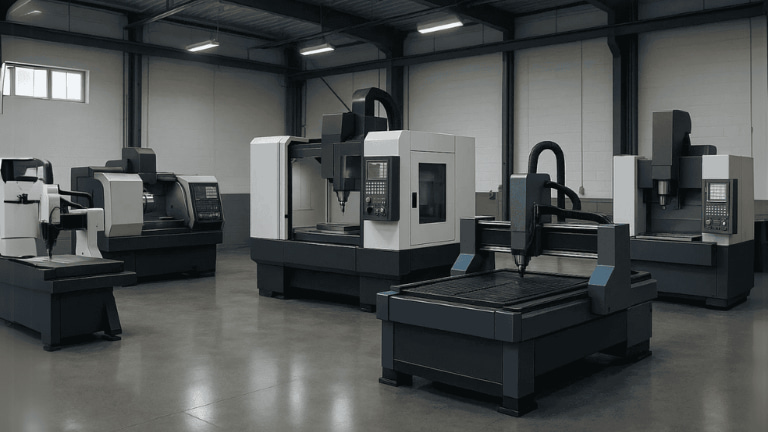
Metal machining is widely split into various kinds of functions, relying on how the tool and the workpiece move. The two most typical kinds are CNC milling and CNC turning.
1. CNC Milling – In a CNC milling machine, the raw metal block remains stationary, while a cutting tool spins at high speeds. The spinning tool moves along several axes to cut away metal from the top, sides, and corners.
- Advanced Milling – Advanced machines utilize 5-axis milling, where the tool or the workpiece can also rotate, permitting the machine to approach the component from almost any angle without resetting the material.
- The Result – This procedure generates extremely complicated, customized structures with pockets, slots, holes, and flat surfaces, usually referred to as CNC milling components.
2. CNC Turning – In CNC turning, the procedure is reversed. The raw metal block is clamped into a spinning chuck and rotates at high speeds. A stationary cutting tool is pressed against the spinning metal to clear off material.
- The Formation – This is mainly done on a CNC Lathe machine.
- The Result – Because the metal is spinning in circles, this procedure is perfect for making cylindrical or round components like screws, shafts, pins, and cylinders. These finished products are known as CNC turned components.
Common Metals Used in CNC Machining
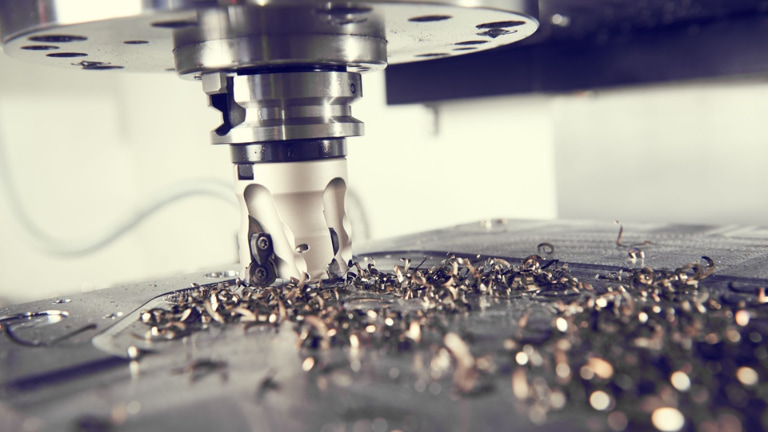
One of the amazing advantages of this technology is its versatility. An expert CNC components manufacturer can work with a broad array of metals, each delivering remarkable properties, such as strength, weight, and corrosion resistance.
1. Aluminum – Lightweight, simple to machine, and extremely resistant to corrosion. It is broadly utilized in aerospace, automotive components, and consumer electronics.
2. Stainless Steel – Highly robust, durable, and rust-resistant. It is the go-to material for medical devices, marine hardware, and food processing tools.
3. Carbon Steel and Alloy Steel – Known for good strength and structural goodness. These metals are usually utilized for heavy-duty industrial machinery, gears, and fasteners.
4. Brass – A softer metal that is extremely machinable, operates well with heat and electricity, and has a good golden appearance. It is typically utilized for musical instruments, plumbing valves, and electrical connectors.
5. Titanium – Extremely robust, lightweight, and extremely biocompatible. It is costly and tough to machine, but crucial for aerospace engineering and medical implants.
Industrial Applications of CNC Machined Components
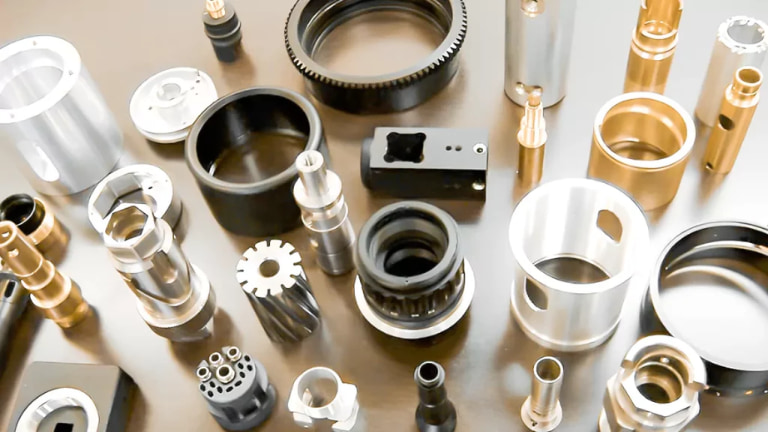
Because of its extreme precision and adaptability, almost every primary industry depends on CNC machined components manufacturers to make their hardware.
1. Aerospace Industry – In aviation, there is zero room for mistakes. Aircraft components should be highly robust yet lightweight. CNC machining delivers the ultra-tight tolerances needed for jet engine parts, wings, structures, fuel system components, and landing gear.
2. Automotive Industry – The automotive industry depends on mass production with ideal repeatability. CNC machines generate engine blocks, cylinder heads, drive shafts, gearboxes, and custom performance components effectively and precisely.
3. Medical Device Manufacturing – Medical components, surgical instruments, and orthopedic implants need microscopic accuracy and biocompatible materials. CNC milling and turning make sure these crucial parts are seamless, accurate, and thoroughly sterile.
4. Electronics & Technology – Advanced electronics are shrinking every year. CNC Machining is utilized to carve out complicated aluminum enclosures for laptops, heat sinks for computer processors, and internal brackets for smartphones.
5. Oil, Gas, & Energy – Valves, pumps, and drilling tools utilized in deep-sea or oil-field environments should withstand extreme pressures. Extremely reinforced CNC turned and milled parts deliver the rugged durability required for these harsh environments.
Partnering with the Right CNC Components Manufacturer
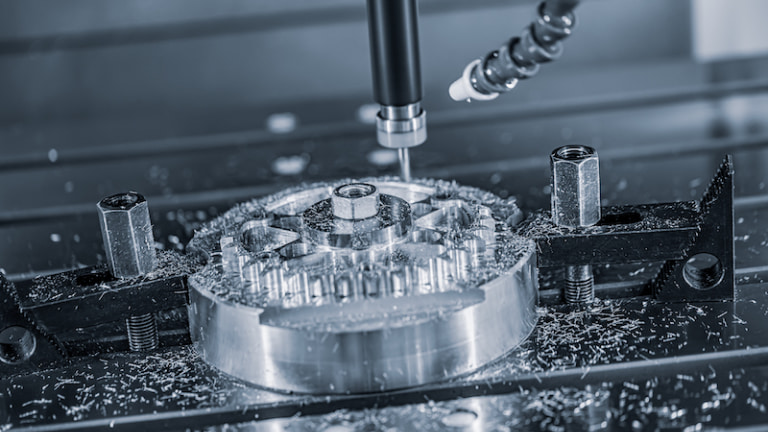
As worldwide supply chains need quicker lead times, higher quality, and lower costs, selecting the appropriate production partner is crucial for companies. Top-tier CNC machined components manufacturers invest extremely in modern multi-axis machinery, quality control tools, and proficient engineering groups.
A primary instance of a superior in this sector is Global Precision Pvt Ltd. As a reliable CNC components manufacturer, they have expertise in generating both complicated CNC milling components and high-volume CNC turned components.
When seeking a manufacturing partner, always examine that they deliver –
1. Modern Quality Management – Certifications like ISO 9001 make sure stringent verification protocols.
2. Material Verification – Assurances that the metal utilized matches your precise engineering specifications.
3. End-To-End Capabilities – The capability to manage everything from raw prototypes to large-scale mass production and post-processing surface finishes.
Wrapping Up
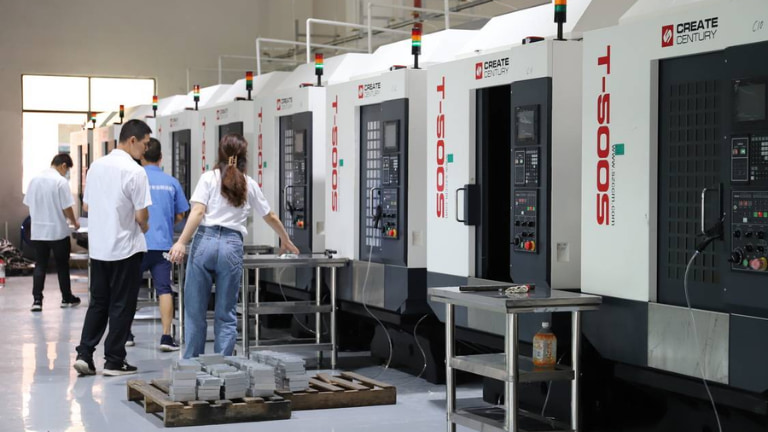
CNC metal machining fills the gap between technical structure and physical reality. By replacing manual conventional machines with computer-guided automation, advanced manufacturing achieves unparalleled accuracy, pace, and design freedom.
Whether an industry needs strong structural steel components or complicated titanium medical gadgets, collaborating with a professional manufacturer like Global Precision Pvt Ltd makes sure that every part is made precisely to specification, paving the path for international technological innovation.