
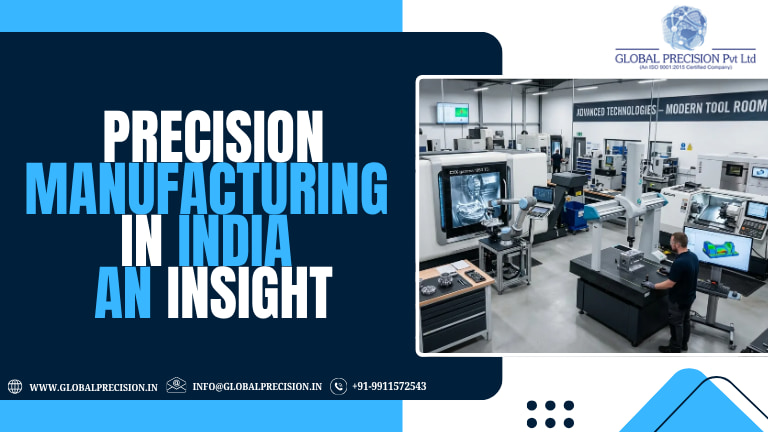

India’s precision manufacturing industry is quickly rising as an international powerhouse. Driven by government initiatives like Make in India, modern CNC technologies, and an extremely proficient workforce, the industry produces tight-tolerance, export-grade parts for the automotive, aerospace, and electronics sectors.
The landscape of industrial production is going through a huge change globally. Gone are the days when manufacturing just meant cutting heavy sheets of iron or casting giant blocks of steel with typical measurements. Today, industries like aerospace, electric vehicles, defense, medical devices, and high-end electronics demand components that are very small, extremely complicated, and precise down to a single micron.
Table of Contents
This ultra-precise way of production is known as precision engineering. If you look at the international industrial map, precision manufacturing in India is quickly rising as a huge powerhouse. Thanks to primary technological updates, automated machinery, and an extremely proficient engineering workforce, India has transformed from a common component supplier into a top-tier international hub for complicated element fabrication.



What is Precision Manufacturing?
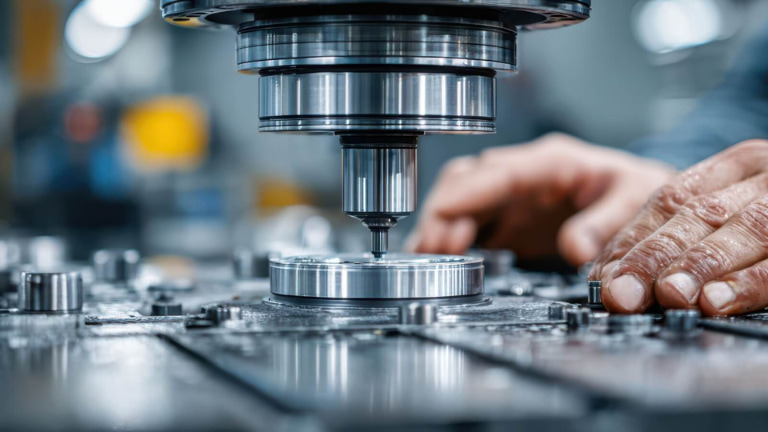
To comprehend why this industry is booming, we have to look at what makes it distinct from common manufacturing. In conventional workshops, a variation of a few millimeters might not destroy a product. However, in precision engineering, even a small deviation, smaller than a human hair, can lead to a space satellite to fail, a medical implant to harm a patient, or a car engine to break down.
Precision manufacturing includes utilizing modern, computer-controlled machinery to structure raw materials, alloys, and specialized plastics into extremely complicated structures. This procedure makes sure that every single product produced is identical, ideally seamlessly, and made to match stringent blueprints.
Major Categories of High-Precision Engineering
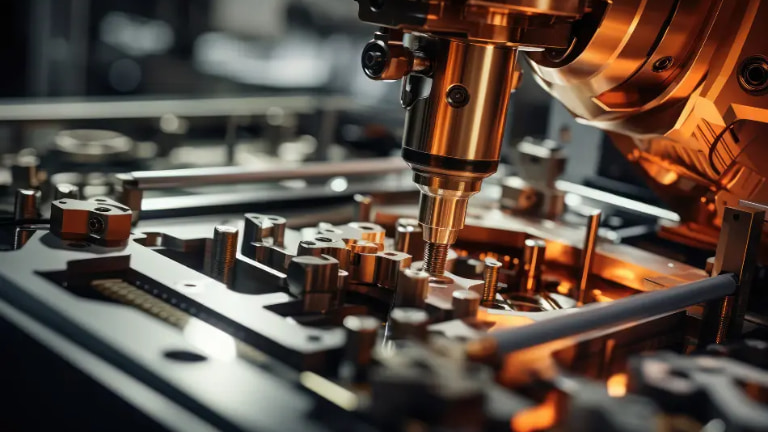
The sector of precision engineering can be split into some crucial specialized production methods –
1. Precision Metal Parts Fabrication – This is the procedure of cutting, bending, and assembling raw metal sheets or blocks into operational structures. Advanced precision metal parts fabrication doesn’t depend on manual labor; rather, it utilizes automated laser cutters, water-jet machines, and heavy-duty hydraulic presses to form metal structures with unparalleled structural integrity.
2. Sourcing from a Certified Precision Parts Manufacturer – A committed precision parts manufacturer concentrates on making the building blocks for bigger machines. These factories use modern computer software, known as CAD and CAM, to map out a component technically before a single part of metal is cut. This eliminates human mistakes completely from the design phase.
3. Production of Precision Machined Components – These are individual products, like custom valves, heat sinks, gear shafts, and radar casings, that are cut away from a strong block of material. Making precision machined components demands high-speed cutting tools that shave away micro-layers of metal until the precise part emerges.
Why India is Becoming the Preferred Global Destination
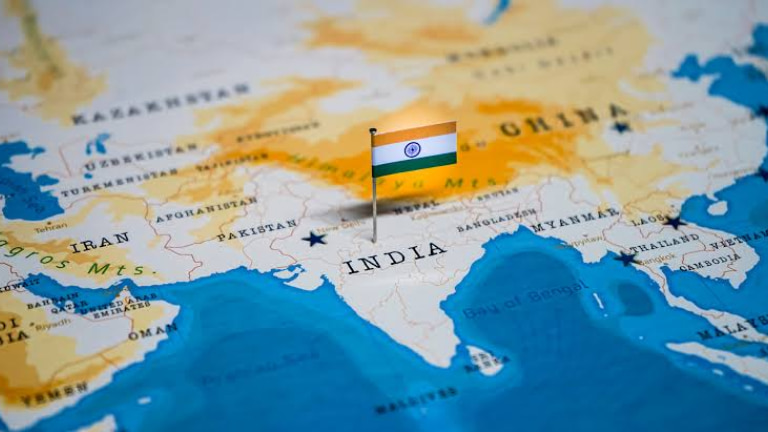
International corporations are rapidly moving their supply chains to Indian shores. This change is driven by a number of different structural benefits that the Indian industrial market offers –
1. Modern CNC and VMC Technology – Indian factories have heavily invested in Computer Numerical Control and Vertical Machining Center systems, involving modern 4-axis and 5-axis machines. These systems permit tools to move around several angles simultaneously, cutting extremely complicated 3D structures effortlessly.
2. Affordable Operations – India delivers a rare blend of top-class digital infrastructure and extremely competitive functional and labor expenses. This permits global brands to source premium elements without overspending.
3. Strict Quality Compliance – Primary Indian facilities sustain global certifications like ISO 9001:2015 and AS9100. This confirms that a part made in India matches the precise protection policies needed in Europe or the United States.
4. Strong Government Support – Programs like Make in India deliver tax advantages, specialized industrial zones, and financial incentives to assist local factories in upgrading their technology and enhancing export abilities.
Excellence and Manufacturing – Global Precision Pvt Ltd
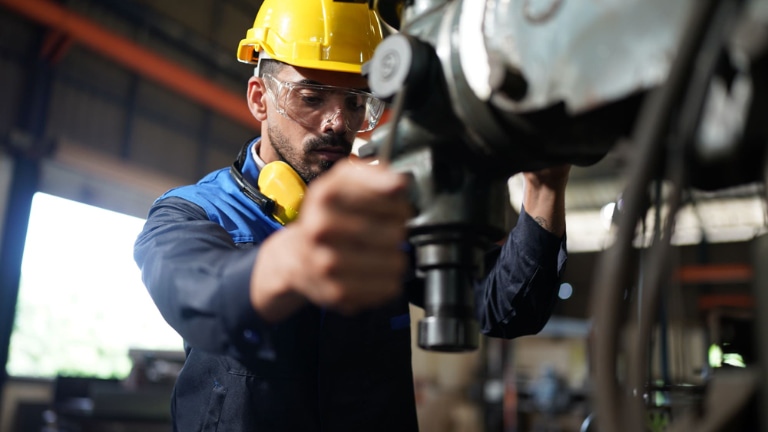
When researching top-notch Indian engineering, Global Precision Pvt Ltd serves as an ideal instance of how local companies are gaining top-class success. Running from a modern facility, Global Precision works as a leading precision machined components manufacturer for extremely demanding industries, including aerospace, defense, automotive, and medical technology.
The company uses an extremely modern infrastructure to sustain its position as a preferred partner for international Original Equipment Manufacturers and the public industry understanding. Their ability matrix includes –
1. Multi-Axis Machining – Using high-speed 4-axis VMC systems to machine difficult metals like titanium, stainless steel, and specialized aluminum alloys.
2. Reverse Engineering – The capability to take an existing physical part, scan it utilizing modern CAD tools, recreate the technical blueprint, and manufacture a precise replica with improved performance.
3. End-to-End Metrology – Utilizing automated 3D coordinate measuring machines to verify every finished product, making sure that every dimension ideally aligns with client blueprints before shipping.
To examine their thorough machinery formation and product portfolio, you can browse the official Global Precision Pvt Ltd.
Industries Driving the Demand for Precision Components
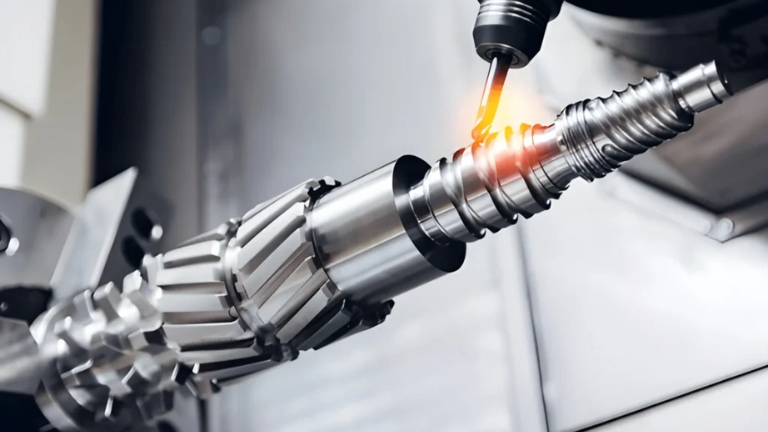
The expansion of precision components manufacturers in India is being fueled by the quick modernization of a number of main industrial sectors –
1. Aerospace & Defense – In aviation, parts are exposed to extreme mechanical stress and intense temperature fluctuations. Elements like radar guides, display base plates, and microwave boxes should be highly difficult yet lightweight. Indian manufacturers are reliable in managing these sensitive designs because they can sustain microscopic tolerances constantly.
2. Healthcare & Medical Devices – From surgical bone screws to complicated diagnostic print-head assemblies, the medical field demands crucial sterility and smooth surface finishes. Biocompatible metals like titanium should be carved ideally seamless to sidestep tissue irritation inside the human body.
3. Automotive & Electric Vehicles – As India and the rest of the world transition toward electric vehicles, conventional heavy engine components are being replaced by lightweight aluminum elements, specialized battery enclosures, and high-productivity motor shafts. This transition demands a primary dependence on micro-machining professionals.
Critical Challenges the Indian Industry is Overcoming

While the path forward looks highly bright, Indian workshops and factories have had to adjust rapidly to overcome some primary industrial difficulties –
1. Raw Material Consistency – Sourcing high-purity specialized alloys locally can occasionally be tough. Top-tier manufacturers solve this by building reliable connections with certified international materials suppliers.
2. Rapid Technological Obsolescence – Software and automation systems are updated every few years. Constant investment in team training and routine machinery upgrades is crucial to remain internationally competitive.
3. The Zero-Defect Goal – International clients expect a 0% failure rate. Indian factories are meeting this expectation by changing from manual verifications to automated, AI-driven sensor checks on the production floor.
| Feature/Metric | Traditional Manufacturing | Modern Precision Manufacturing |
| Primary Tooling | Manual lathes and mechanical presses | Multi-axis CNC & VMC machining |
| Design Workflow | Blueprints & Hand-Drawn Schematics | Unified CAD/CAM digital modeling |
| Material Range | Standard Carbon Steel & Cast Iron | Titanium, Inconel, Alloys, Engineering Plastics |
| Quality Inspection | Manual Calipers & Visual checks | Automated 3D CMM & laser scanning |
Final Words
The growth of precision manufacturing in India is a clear sign of the nation’s expanding engineering maturity. By moving away from low-cost, heavy production and concentrating on high-value, high-precision engineering, local manufacturers have gained the faith of the world’s most demanding sectors.
For global companies seeking to make their supply chains robust, more flexible, and extremely affordable, collaborating with a seasoned, certified precision machined components manufacturer in India is an extremely strategic move. Companies like Global Precision Pvt Ltd prove that with the appropriate blend of visionary leadership, modern automated machinery, and a stringent dedication to quality, Indian engineering can successfully provide world-class solutions to customers around the world.