
VMC machines are mainly of three types and are categorized based on their axes of movement. 3-axis (X, Y, Z), 4-axis (add rotation), and 5-axis (add rotation and tilt) machines can handle complex geometries. A 3-axis VMC machine is best for simple flat parts, a 4-axis perfect for multi-side machining, and a 5-axis for complex shapes.
Table of Contents
Businesses working in or dependent on the precision engineering field must have a basic understanding of the types of VMC machines. Whether you’re looking for high-volume production or complex 4th axis VMC machining components, this blog will help you choose the best based on your needs. This blog will cover complete details on the types of VMC machines, key differences between them, how to choose the right option, and who you can trust for your special precision machining needs.

Enquiry

Make A Call

Chat With Us
What are VMC Machines (Vertical Machining Center)?
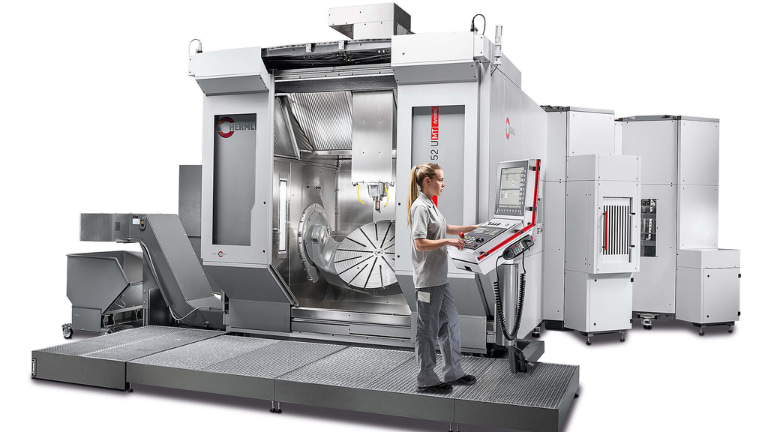
A VMC machine is a high-precision CNC machine that features a vertically oriented spindle. This computer-controlled power tool is used to cut and shape solid materials, like metal and plastics. These machines move along three linear axes and are very important in modern manufacturing because they offer incredible accuracy and speed.
For businesses in the capital city, working with a trusted provider of top VMC machine job work in Delhi is a must to get high-quality industrial parts. As their working process is automated, they ensure that every single part produced is the same. These machines reduce the risks of human error and help in saving time.
- Vertical Spindle Setup: Unlike horizontal machines, the cutting tool in a VMC Machine is oriented vertically.
- Precision Manufacturing: VMC machines are used to create high-accuracy parts like molds, dies, and aerospace components with high accuracy.
- Versatility in Production: These machines are capable of handling varying complexity from 3-axis to 5-axis. Many setups provide high-speed machining for industries like electronics and automotive.
- Job Work Applications: Top service providers provide special 4th axis VMC job work and 3-axis milling services using VMC machines for customized projects, prototypes, and high-volume production.
- Versatile Components: A trusted VMC machined components manufacturer uses these machines to produce components for various industries, including automobile, aerospace, and medical, requiring high accuracy.
3 Main Types of VMC Machines
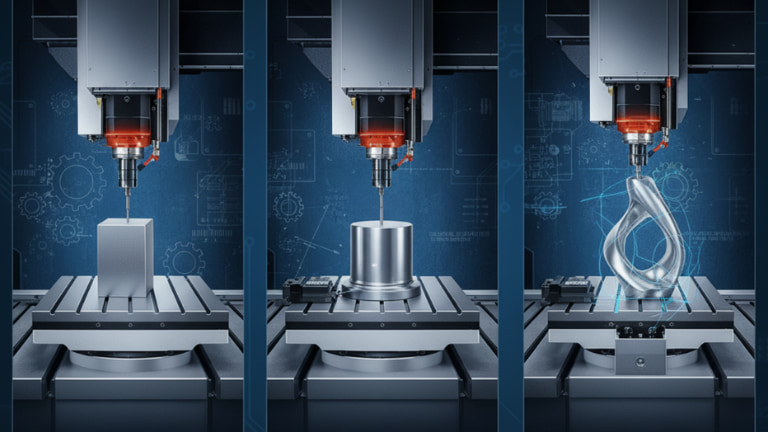
Leading brands like Global Precision Pvt Ltd use various types of VMC machines to deliver components with accurate dimensions and complex shapes. These machines are highly used for producing special components and a wide variety of parts.
1. 3-Axis VMC Machining
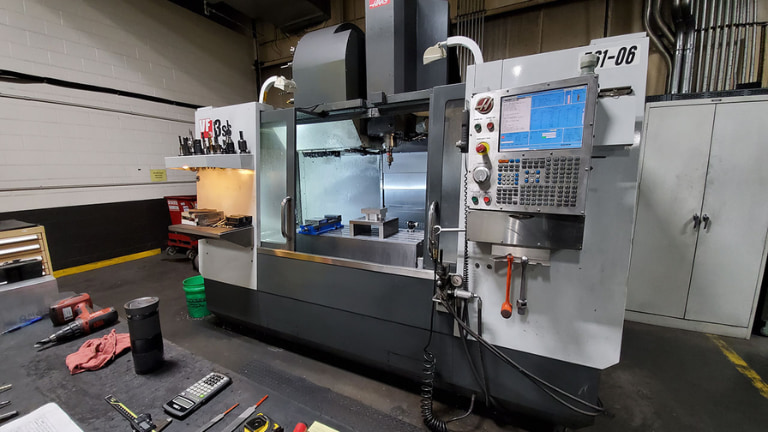
Axis Motion: Linear axes X (longitudinal), Y (latitudinal), and Z (vertical).
Key Advantages: Highly reliable, cost-effective, simple programming, and minimal setup time.
A 3-axis VMC machine is the simplest version of a VMC, and it moves in three directions. These machines are mainly designed for standard, high-speed milling, drilling, and tapping. Its spindle is vertical, and it is best for flat parts, simple shapes, and high-volume production of components requiring only one side of access.
2. 4th Axis VMC Machining
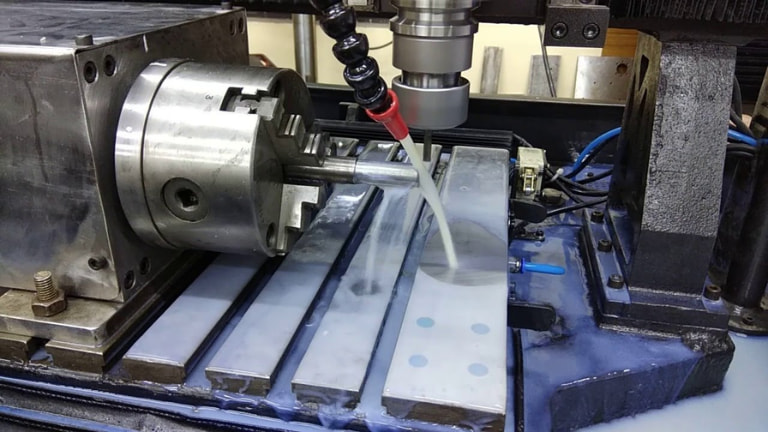
Axes Motion: Includes X, Y, and Z, plus rotation around one axis.
Key Advantages: Significantly faster setup, improved positional accuracy, and production efficiency.
4th axis VMC machining is a type of CNC milling machine that operates on three linear axes, plus rotation around one axis. These machines are used to cut multiple sides without removing the workpiece mounted on the rotary table. As they reduce manual intervention and repositioning times, they are best for shafts, casings, and parts that require machining on the top and sides, or continuous rotary contouring.
3. 5-Axis VMC Machining
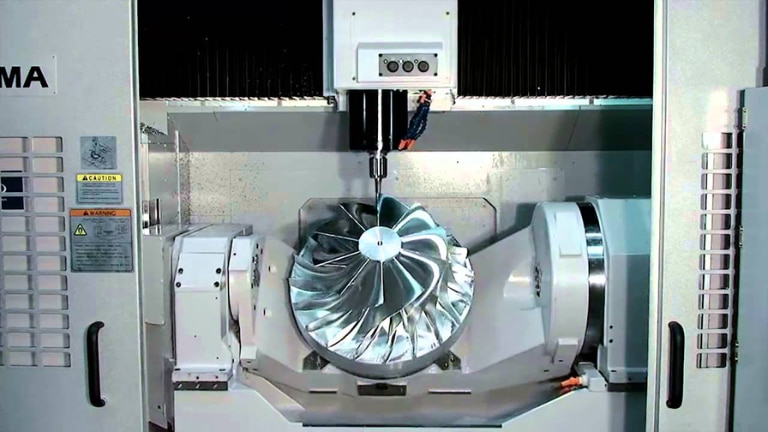
Axes Motion: Three linear axes combined with two axes, allowing the spindle or table to tilt.
Key Advantages: Helps with complex 3D surface machining, high accuracy, and easier to reach hard-to-access areas.
These types of VMC machines are used by a top VMC components manufacturer to produce parts, like aerospace components, complex molds, automotive parts, and other devices that require superior accuracy and surface finish. They reduce the need for repositioning and manual labor, which helps in accelerating production times. Their ability to move the cutting tool along five axes simultaneously makes them best suited for machining smaller parts with intricate details.
Types of VMC Machine: Key Differences
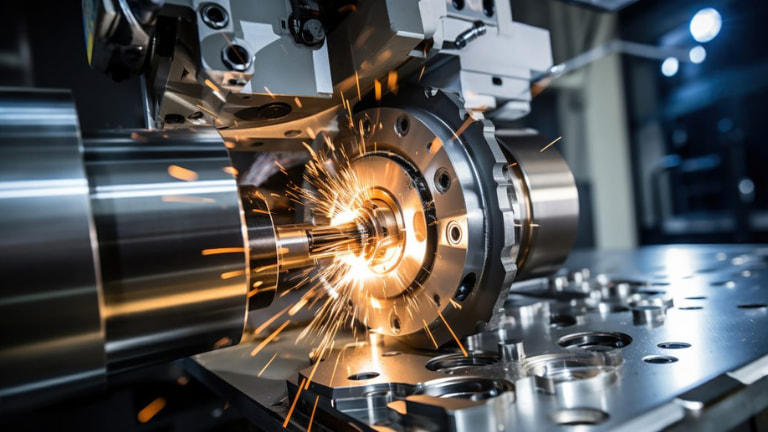
Leading VMC component manufacturers like Global Precision Pvt Ltd select the right machine based on the geometric complexity of the part and the required volume. While 3-axis VMC machines are the industry standard, adding more axes allows for machining multiple sides of a part without manual flipping. This significantly improves accuracy and production efficiency.
| Feature | 3-axis VMC Machine | 4-axis VMC Machine | 5-axis VMC machine |
| Movement Capabilities | Moves along the X, Y, and Z linear axes. | Adds a rotary A axis for rotating the part. | Adds two rotary axes. |
| Precision and Speed | High, but requires manual re-clamping. | 4th axis VMC machining reduces manual error. | Highest accuracy, cuts all sides in one go. |
| Cost Consideration | Most affordable and easy to maintain. | Mid-range offers great value for complex parts. | Expensive, requires highly skilled operators. |
| Best For | Flat parts and simple drilling or milling. | 4th axis VMC machining components, like gears. | Aerospace and complex medical implants. |
How to Choose the Right VMC for Your Needs?
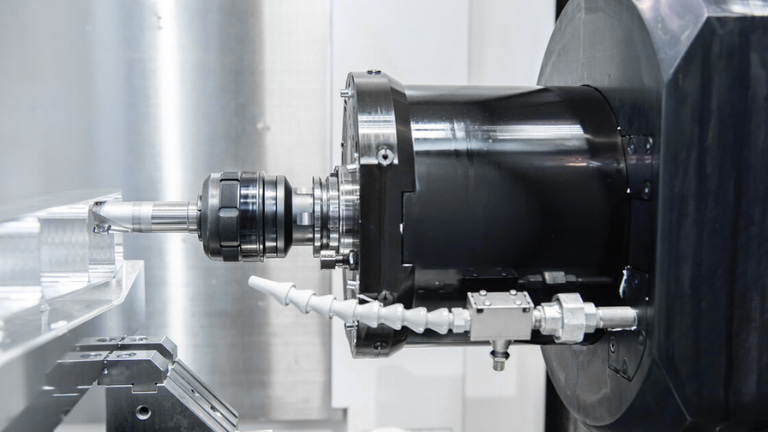
Selecting the perfect setup depends on your part’s complexity, production volume, and other factors. If your design requires machining on multiple sides or curved surfaces, upgrading from standard 3-axis to 4th axis VMC machining is essential to maintain accuracy and reduce manual labor. Here are the factors that you must consider before making a decision:
- Geometric Complexity: Firstly, you must analyze the geometric complexity. If your parts require complex, multi-sided machining, like holes or cuts at different angles, choose 5th or 4th axis VMC machining to avoid manual repositioning.
- Production Volume: Next, the factor you must consider while making the final decision is the production volume. If you need to handle low volumes, you only need a basic 3-axis VMC machine. However, higher volumes demand fast 4th and 5th axis machines that guarantee superior accuracy.
- Precision Requirements: Higher axis machines reduce the risk of human error during re-clamping and significantly increase accuracy. If your project demands extremely high accuracy, invest in the services of a VMC components manufacturer with VMC machines with more axes.
- Budget: You must not make a decision based only on the initial machine cost. 3-axis machines are affordable but can’t help with complex tasks. 4 axis VMC machining is not only highly priced but also saves time and guarantees accuracy for intricate parts.
Make the Best Decision for Your Business

Businesses working and depending on the precision manufacturing sector must understand that the quality of their components defines the success of their final product. If you don’t have the budget to set up 4th or 5th axis machining setups, you can choose to work with a trusted VMC machined components manufacturer.
This choice will help you access the benefits of advanced technology without the massive costs of owning the machinery. Connect with Global Precision Pvt Ltd to get world-class solutions for your industrial needs. Whether you require simple milling or complex 4th Axis VMC machining components, we can help with anything.
Our facility is equipped to handle the most demanding specifications with unmatched accuracy. If you are looking for the top VMC machine job work in Delhi, trust our expert team. We deliver components that meet global quality standards and align with your requirements. We also offer the right guidance to our clients on choosing the right VMC parts and technology.