
CNC machining is driving India’s growth by boosting accuracy, effectiveness, and flexibility, with the market projected to expand at a 10% CAGR by 2030. Fueled by Make in India initiatives, CNC technology decreases dependence on imports, lowers labor prices, and allows high-precision production for the automotive, aerospace, and medical industries.
The terrain of Indian manufacturing is going through a huge transformation. From being a country that mainly imported high-tech machinery, India is quickly becoming an international hub for high-precision engineering. At the heart of this revolution is CNC machining. Whether it is the smartphone in your pocket, the engine in your car, or the medical gadgets utilized in hospitals, almost everything advanced is constructed utilizing CNC machines.
Table of Contents
What is CNC Machining?
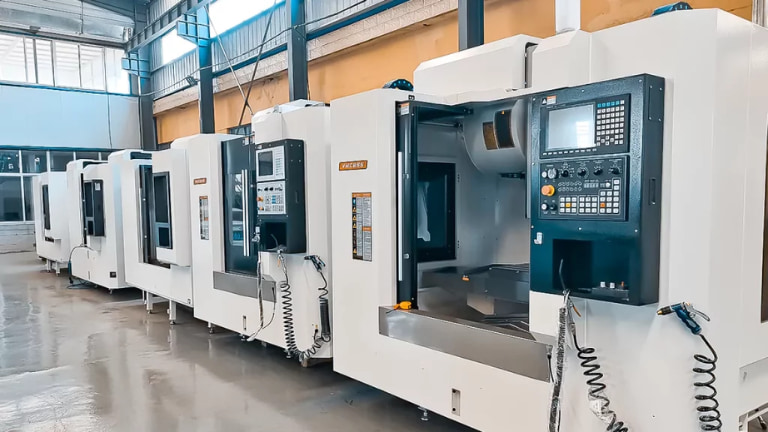
To comprehend the evolution, we should first comprehend the technology. CNC stands for Computer Numerical Control.



In standard manufacturing, a person had to manually move the handles and wheels to cut metal. This was slow and prone to human mistakes. CNC machining modifications this by utilizing a computer to control the tools. A digital design is fed into the machine, which then cuts the materials with extreme precision, usually down to a fraction of a millimeter.
Two pillars of CNC –
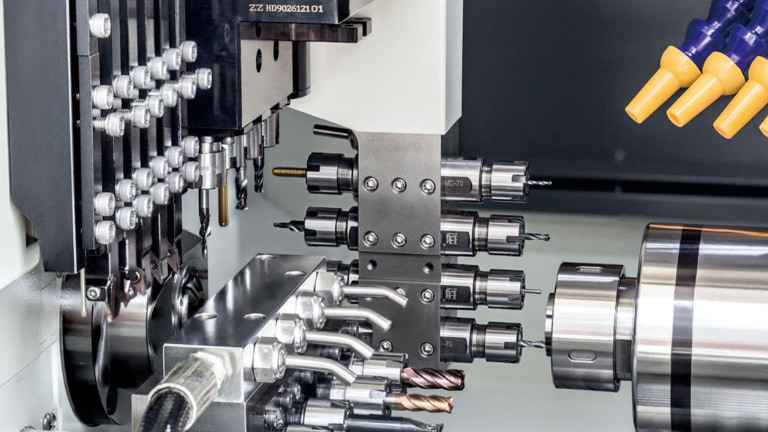
1. CNC Milling Components – This includes a rotating tool moving in a stationary piece of metal to make complicated structures, slots, and holes.
2. CNC Turned Components & Parts – This includes rotating the metal part at high speeds while a stationary cutting tool shapes it. This is ideal for making cylindrical components like bolts, shafts, and valves.
India’s Rise as a Global Manufacturing Hub
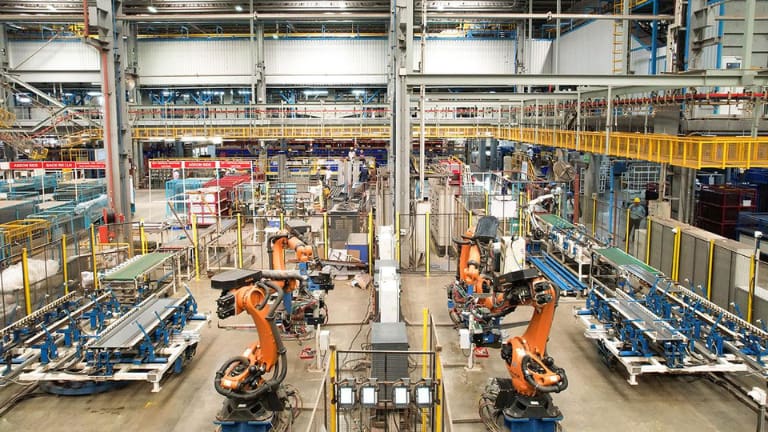
Below is a closer look at the particular aspects positioning India as the favored choice for CNC machined components manufacturers –
1. A Deep Reservoir of Technical Talent
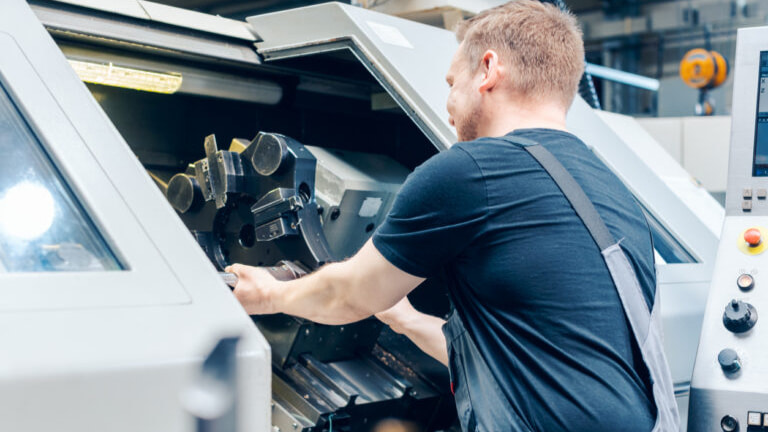
India’s amazing asset in 2026 is its human capital. The nation produces hundreds of thousands of engineers yearly, a number of whom have specialized in Computer Numerical Control programming and modern robotics.
- Expertise in Complexity – Indian engineers are no longer only operators; they are innovators in multi-axis machining. This permits a precision machined components manufacturer to take on extremely complicated projects that demand intricate geometries, such as those found in turbine blades or aerospace housings.
- Software Proficiency – With a robust background in IT, the Indian workforce excels at integrating CAD and CAM software, decreasing the design-to-prototype time remarkably.
2. Unmatched Cost-Efficiency Without Quality Compromise
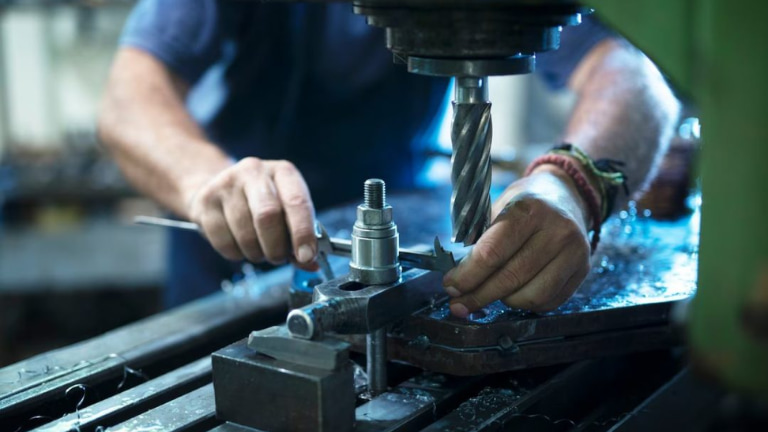
Previously, low cost usually meant low quality. In 2026, India broke that stereotype. By adopting lean manufacturing principles and Six Sigma norms, Indian factories deliver a competitive edge in pricing while sustaining ISO-certified quality.
- Economies of Scale – As more clusters for CNC components manufacturer hubs rise in cities like Pune, Bengaluru, and Rajkot, the expense of raw materials and specialized tooling has stabilized because of high local need.
- High-Value Output – Using top-tier machines from brands like Haas or DMG Mori, corporations, such as Global Precision Pvt Ltd, provide components that fulfill the strict tolerance levels needed by the European and American markets at a fraction of the conventional production expense.
3. Modern Infrastructure and Export Corridors
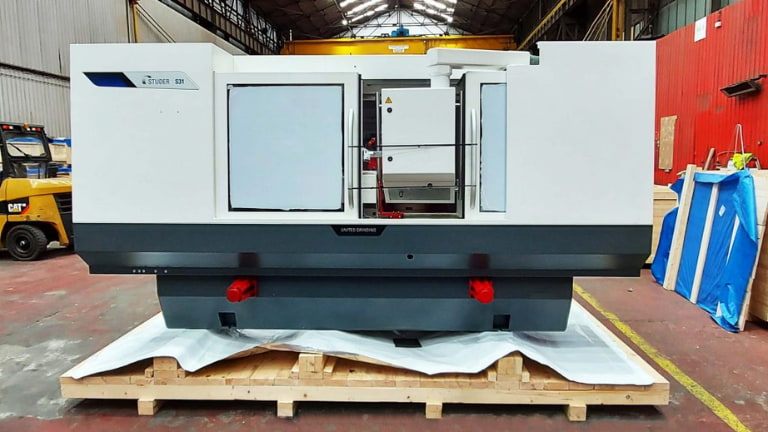
The logistical hurdles that once hampered Indian exports have been hugely dismantled. The growth of devoted industrial corridors has made a smooth connection between the factory floor and international markets.
- Smart Industrial Cities – Purpose-built smart cities deliver uninterrupted power, high-speed internet for IoT-enabled machines, and simplified regulatory clearances.
- Global Connectivity – Improved port infrastructure and the PM Gati Shakti national master plan have optimized the movement of goods. Whether it is CNC milling components or heavy-duty CNC turned components & parts, products can now reach primary Western ports quickly and more reliably than ever before.
Key Industries Transformed by CNC Machining
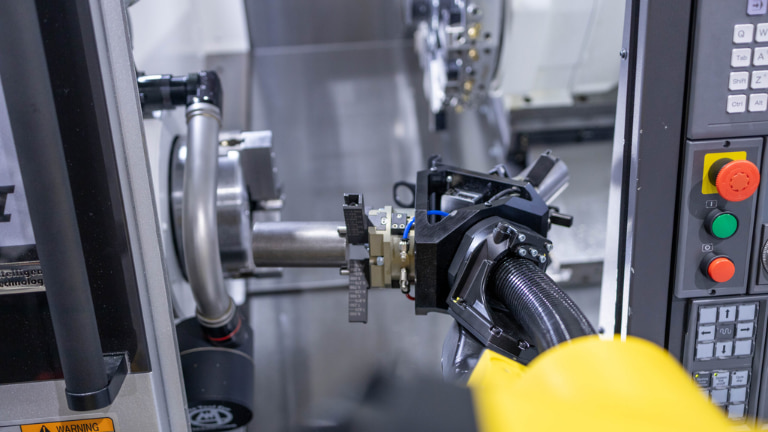
The need for precision machined components isn’t restricted to one industry. It spans across every primary industry in India.
1. The Automotive Industry – India is one of the biggest vehicle producers in the world. Advanced engines demand components that can withstand high heat and pressure. CNC turned components are utilized to make fuel injectors, brake system components, and transmission gears with zero margin for mistakes.
2. Aerospace and Defense – With India’s expanding space program and a concentration on protection production, the requirement for lightweight yet extremely robust components is soaring. A specialized CNC components manufacturer can generate elements from titanium and aerospace-grade aluminum that fulfill international protection norms.
3. Medical Devices – From orthopedic implants to surgical equipment, the medical field demands micromachining. This is where a precision machined components manufacturer, such as Global Precision Pvt Ltd, plays a crucial part, making sure that life-saving tools are made with 100% precision.
4. Electronics and Semis – As India moves into semiconductor packaging, CNC technology is utilized to make the delicate heat sinks and casings that secure our electronic chips.
The Role of Technology – Industry 4.0
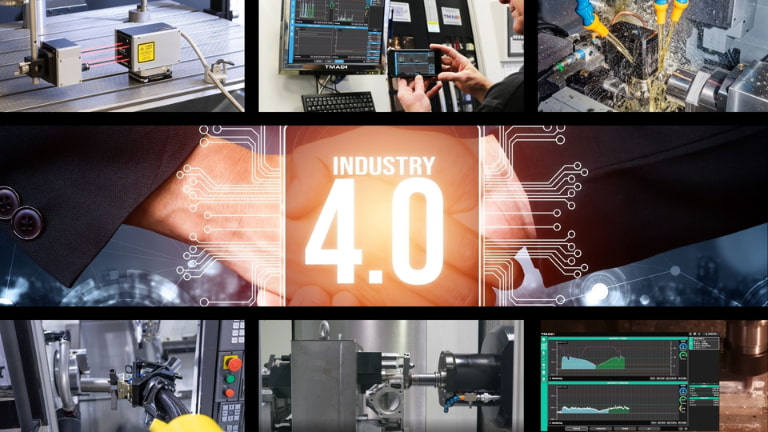
In 2026, CNC machining is no longer only about cutting metal; it is about Smart Manufacturing.
1. IoT Integration – Machines are now linked to the internet, permitting managers to track production in real-time.
2. AI Maintenance – Computers can now predict when a machine tool is about to break, controlling costly downtime.
3. Sustainable Machining – New CNC machined components manufacturers are utilizing eco-friendly coolants and recycling metal scraps to decrease the environmental footprint of their factories.
Challenges and the Path Ahead
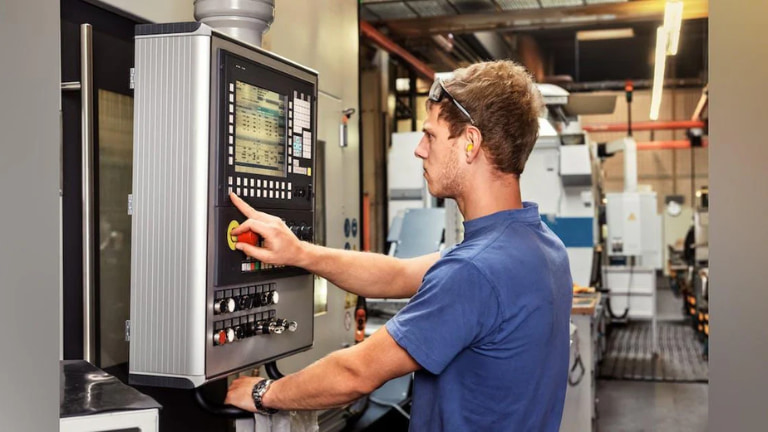
While the expansion is impressive, the journey is not without obstacles.
1. Raw Materials Costs – Fluctuations in international metal costs can impact the expense of CNC milling components.
2. Technological Upgrades – Staying at the top demands continued reinvestment in the current Japanese or German machines.
3. Skill Gap – While there are a number of engineers, there is a continuous requirement for specialized training in 5-axis machining.
However, with government support and private investment, India is overcoming these difficulties quickly.
Conclusion
CNC Machining is what will help India reach its goal of becoming a $5 trillion economy. Indian CNC Machined Components Manufacturers are showing that “Made in India” is a mark of global excellence by combining traditional craftsmanship with the latest computer technology.
The partnership between human creativity and machine accuracy will keep changing what is possible in manufacturing as we look to the future.